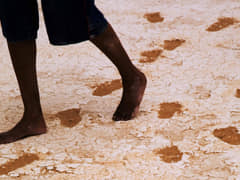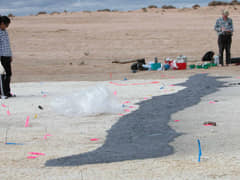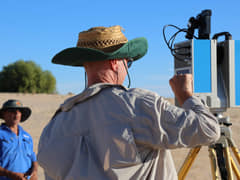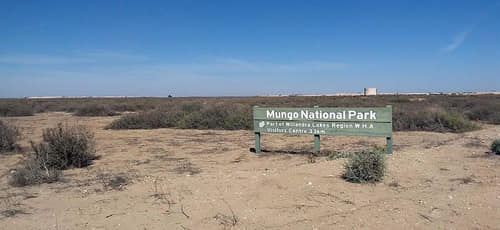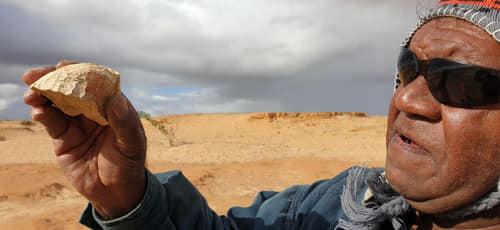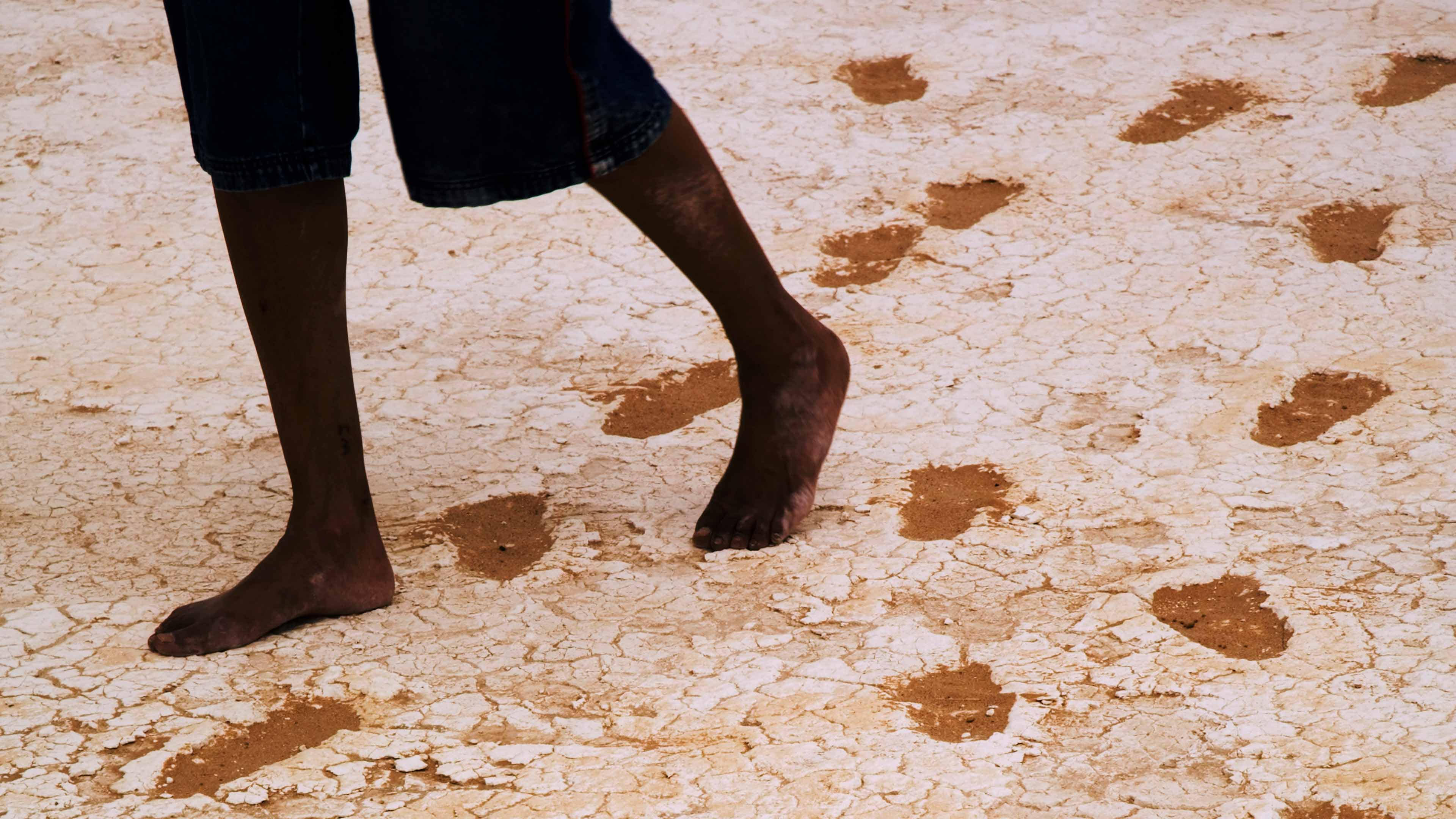
Walking with the Ancestors, community member inspecting the site prior to reburial (Image
Courtesy Michael Amendolia)
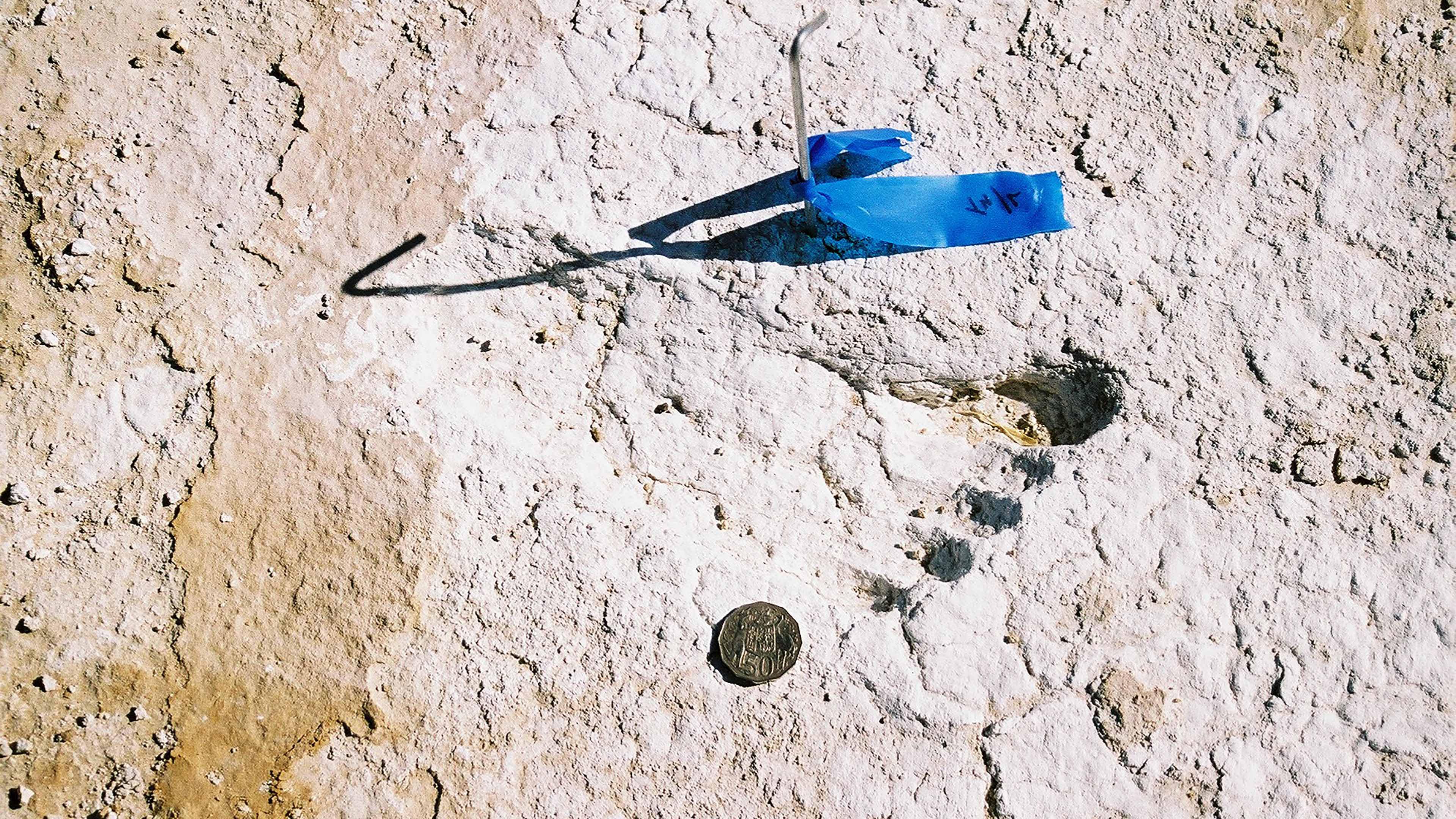
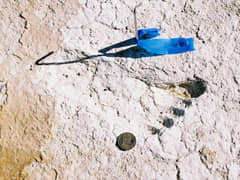
Detailed close up of a 20, 000 year old foot print (Image from NPWS)
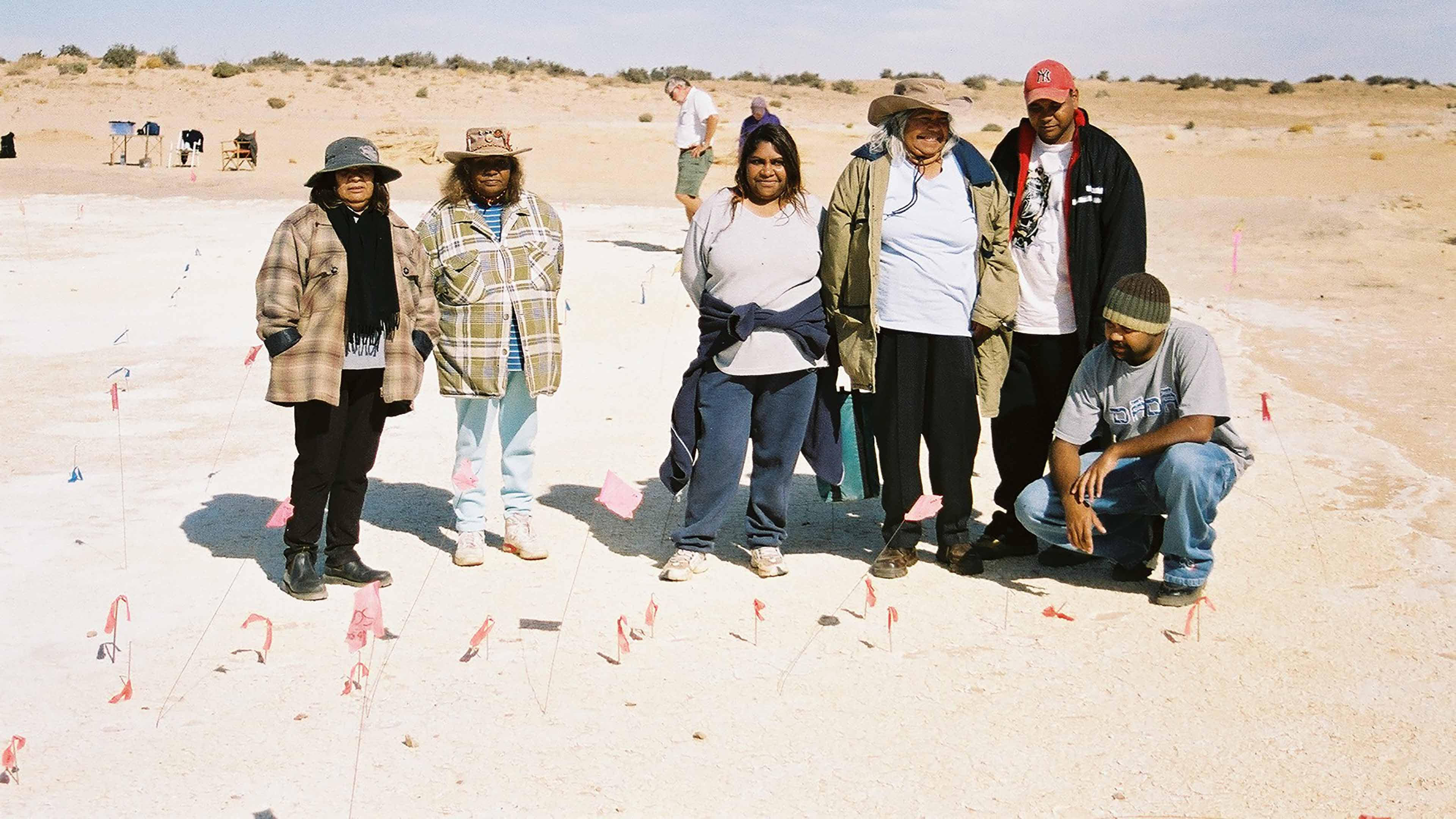
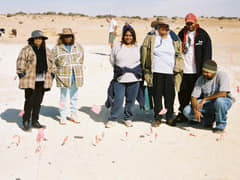
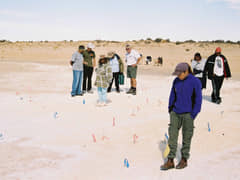
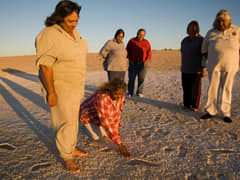
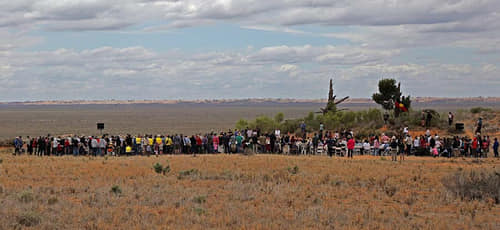
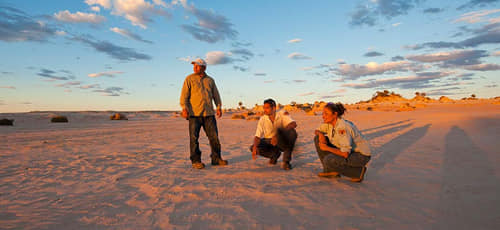
Community members out on site from the 3 Traditional Tribal Groups (Image from NPWS)
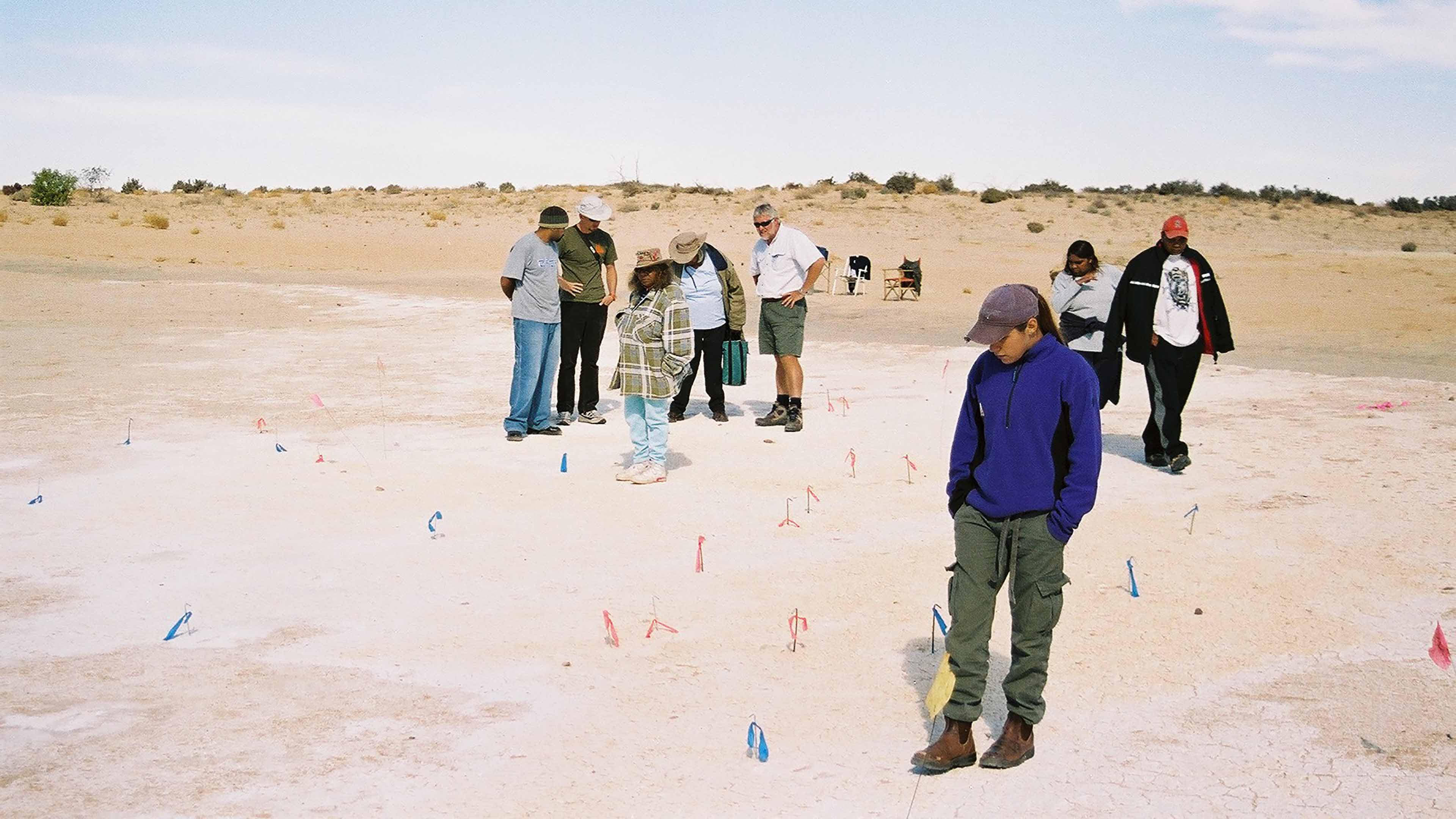
Inspecting the footprint site (Image from NPWS)
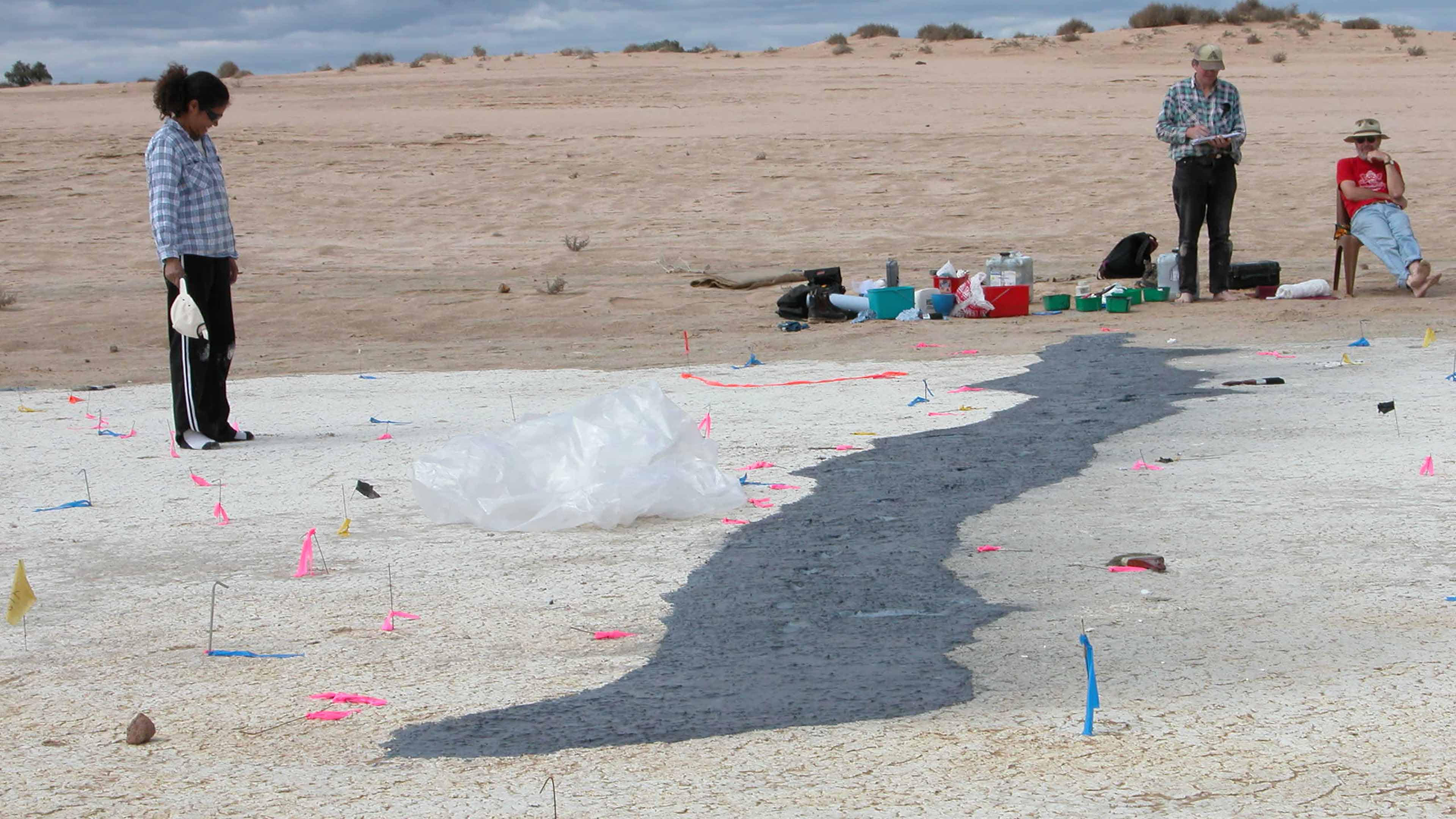
NPWS Aboriginal Staff working with the Australian Museum to create a Latex mould of one of
the tracks. Prior to 3D scanning technology being readily available, latex moulds were commonplace. (Image
from NPWS)
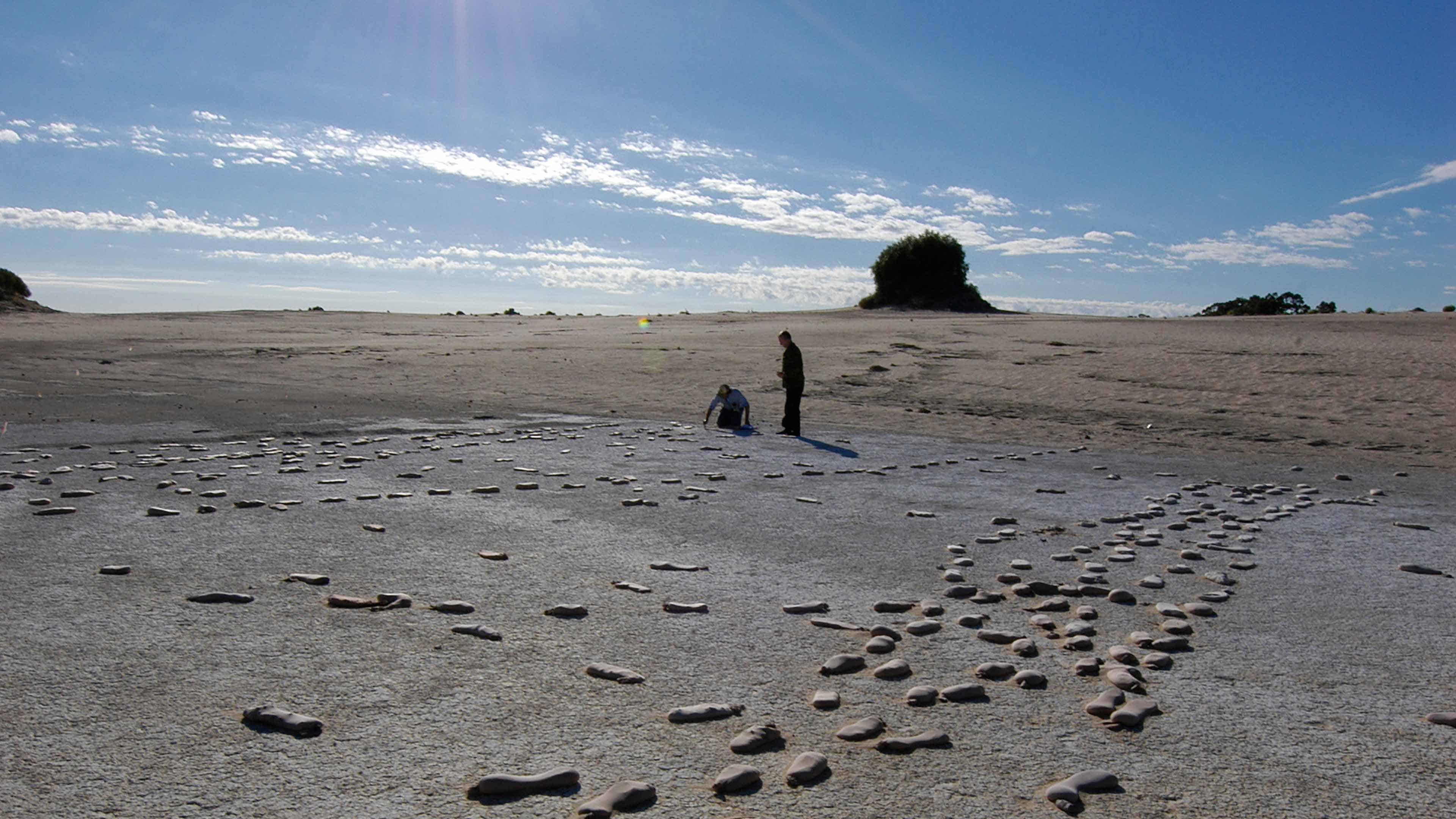
Short term conservation of site. Sand filled stockings placed on every footprint to stop sand
abrasion from wind blowing across the site. (Image from NPWS)
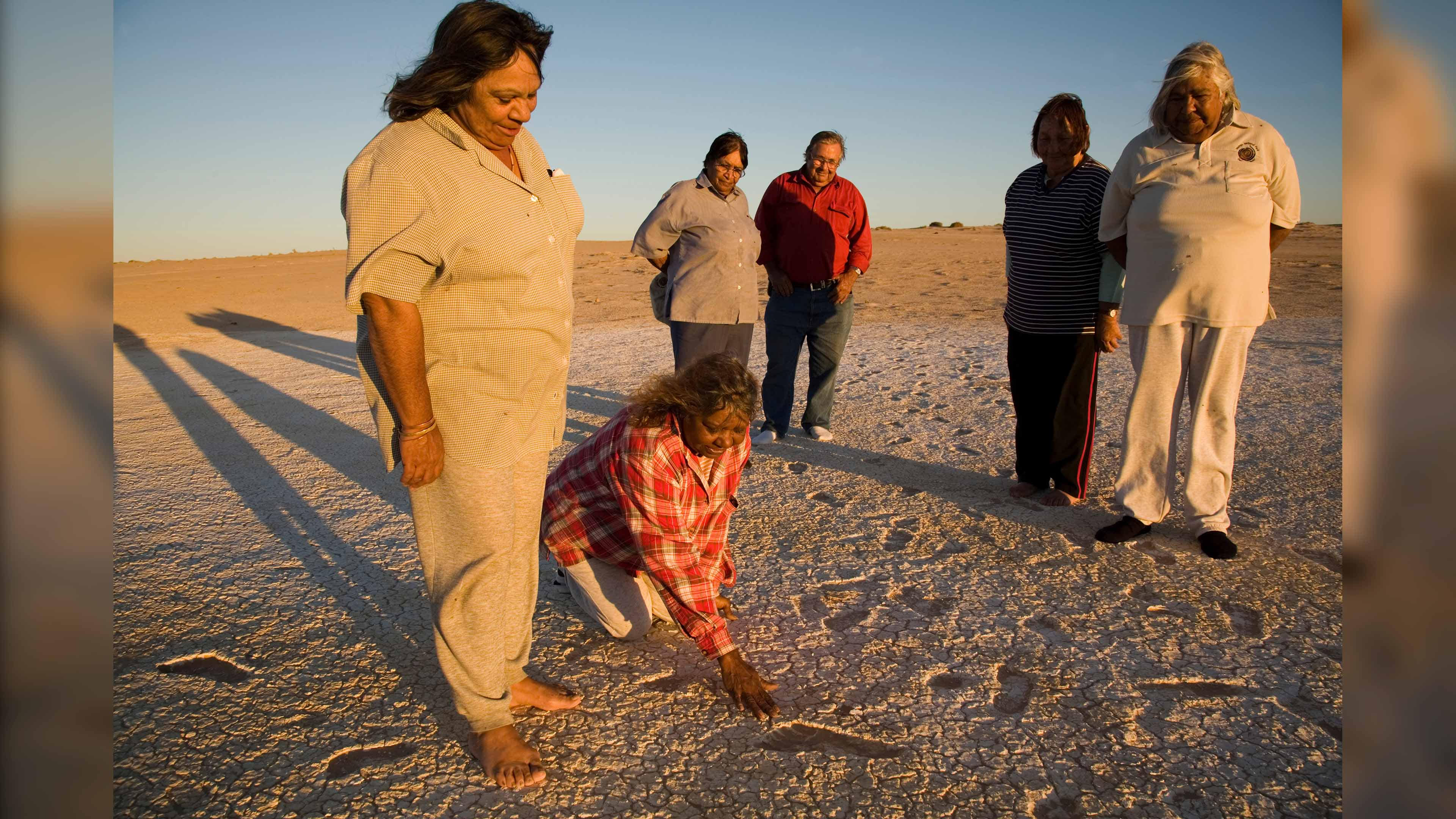
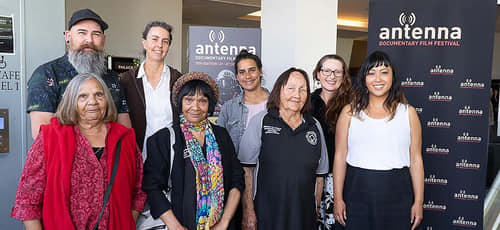
Elders from the 3 Tribal Groups at the footprint site (Image Courtesy Michael Amendolia)
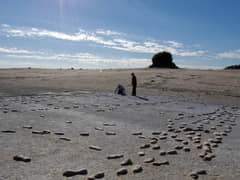
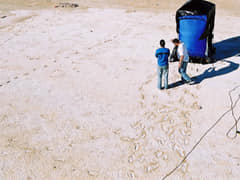
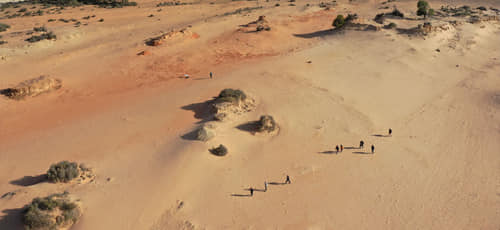
Birds eye view of the footprint trackways (Image from NPWS)
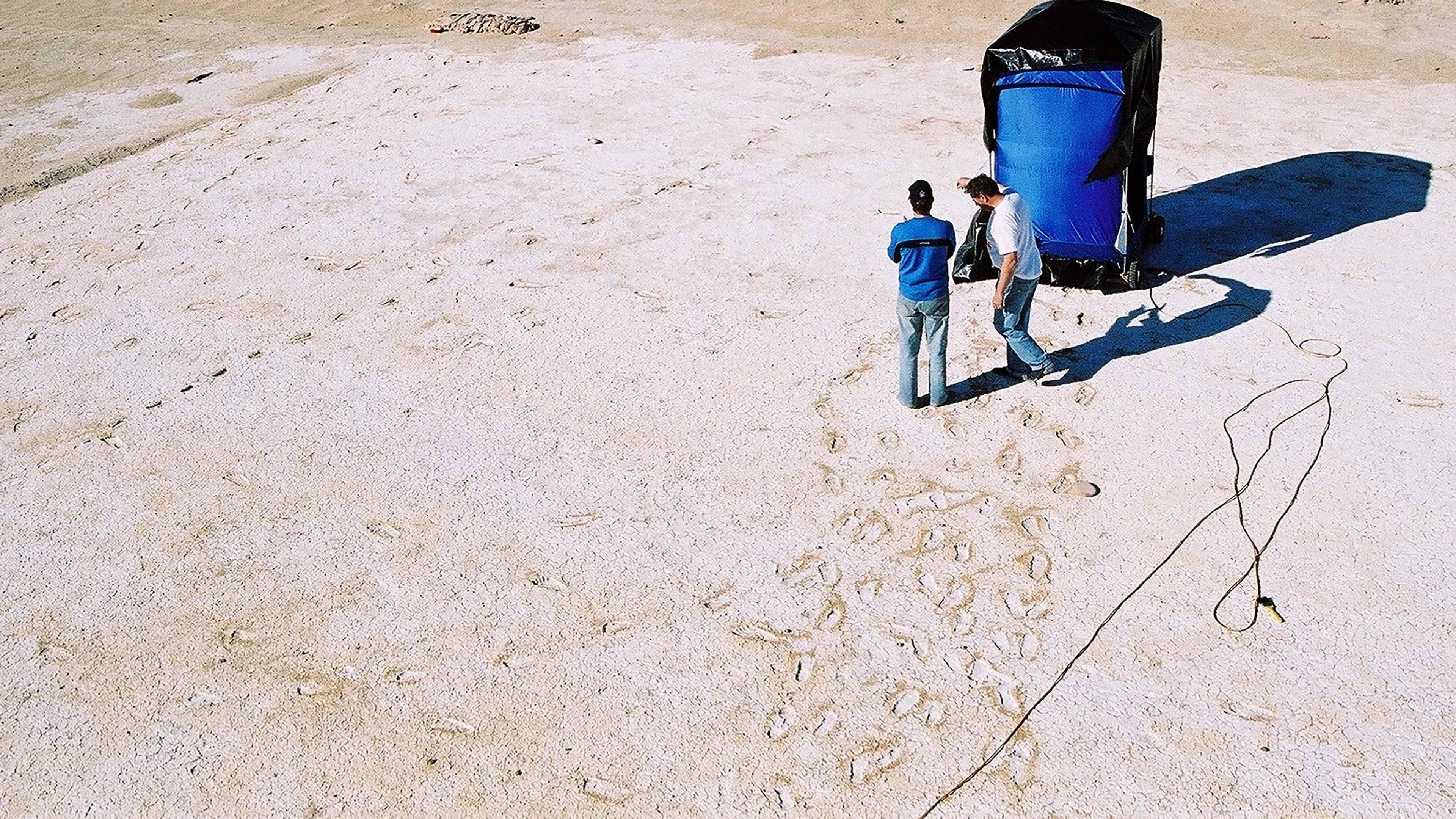
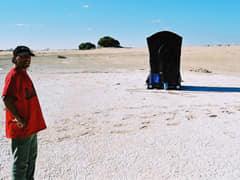
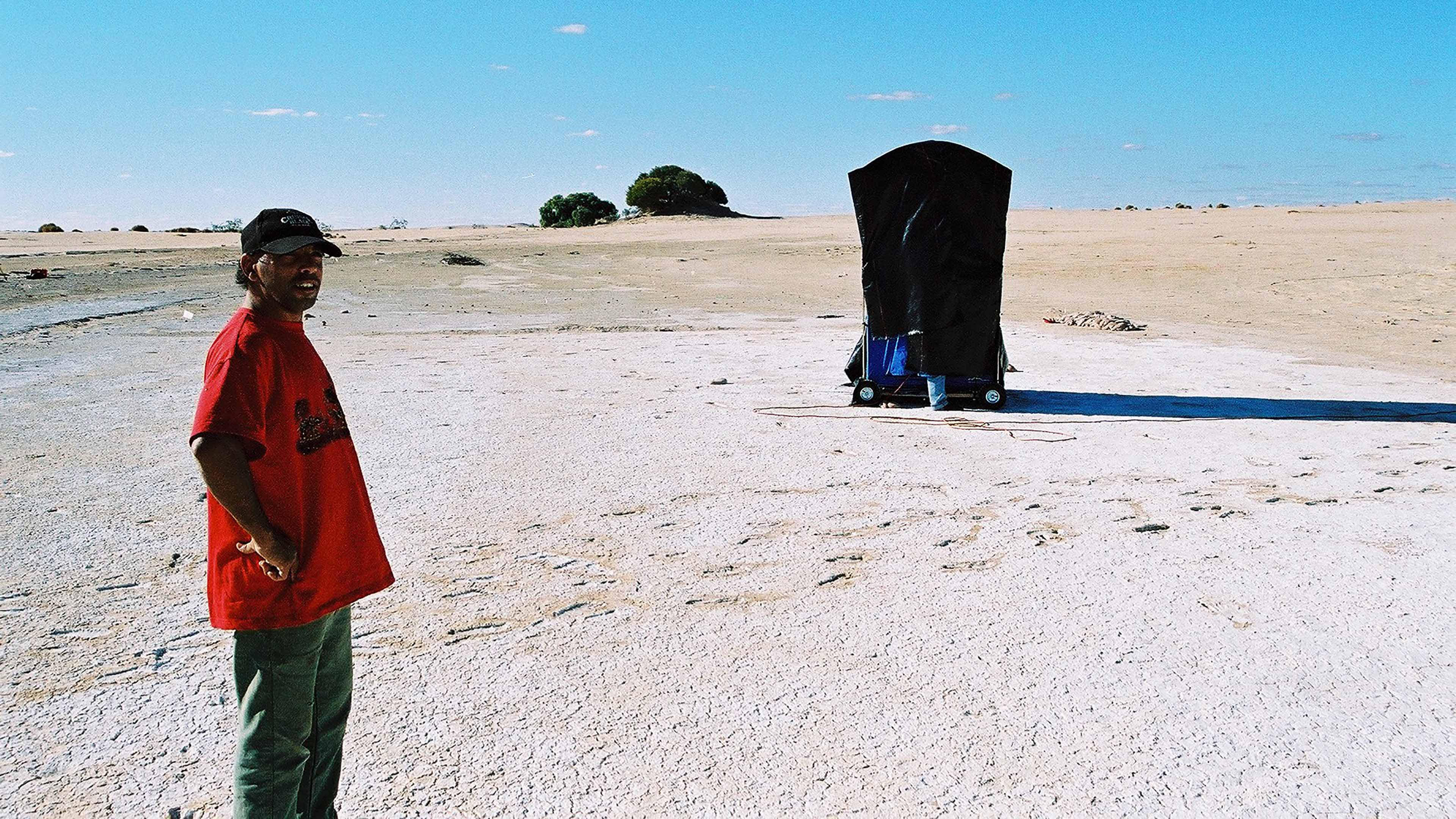
Prior to 3D scanning and LiDAR there was photogrammetry. The blue tent is on wheels and
contains a camera array to capture 3D photogrammetry of each individual footprint. In 2005, it took 45 mins
per print. Today it takes seconds to capture the hole site. (Image from NPWS)
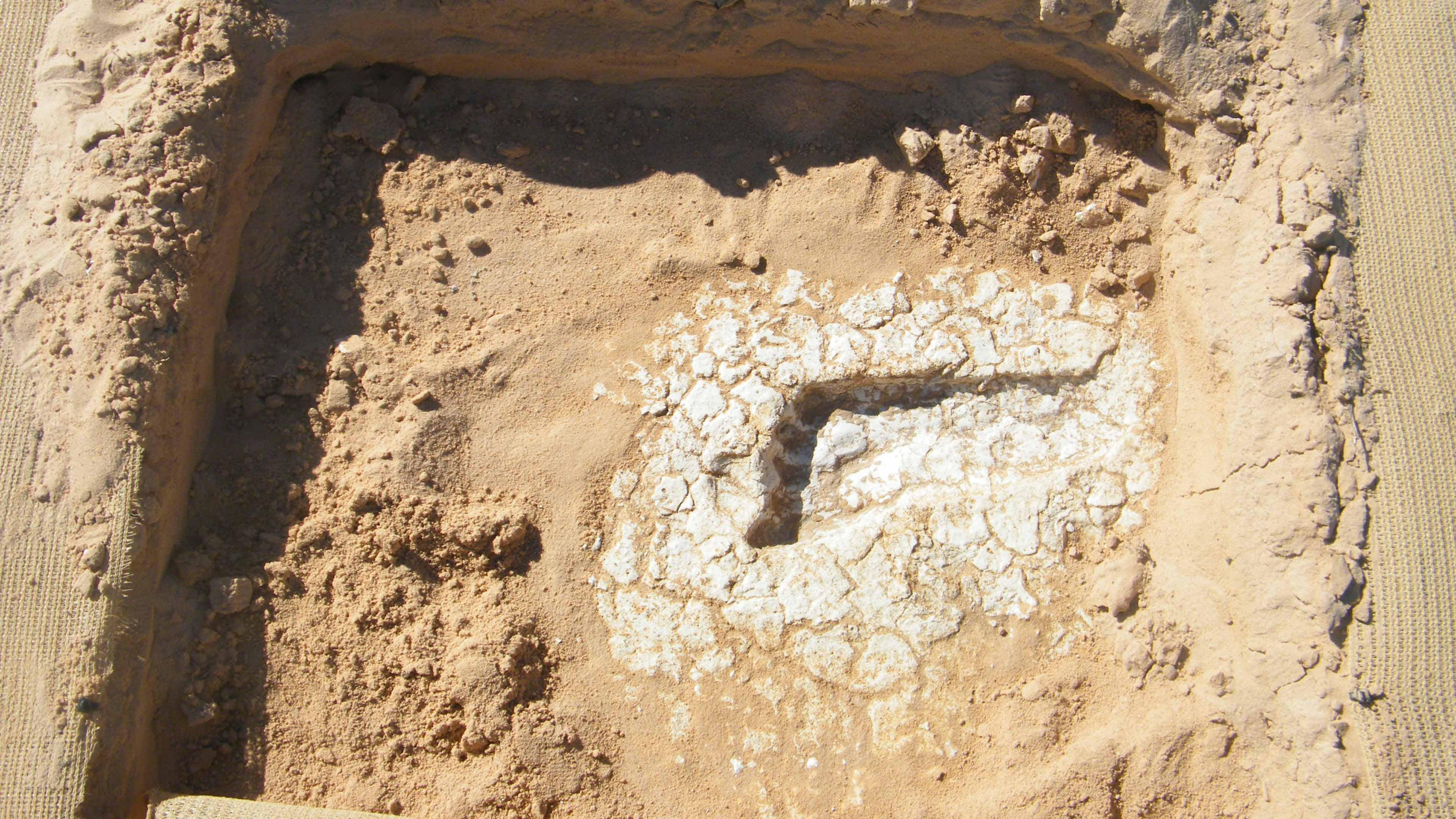
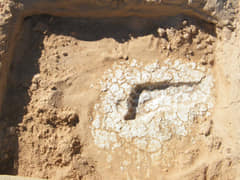
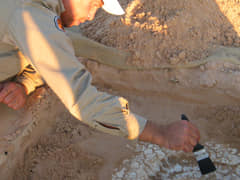
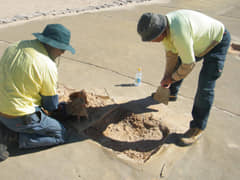
Excavation of a footprint to check if conservation of site is working. (Image from NPWS)
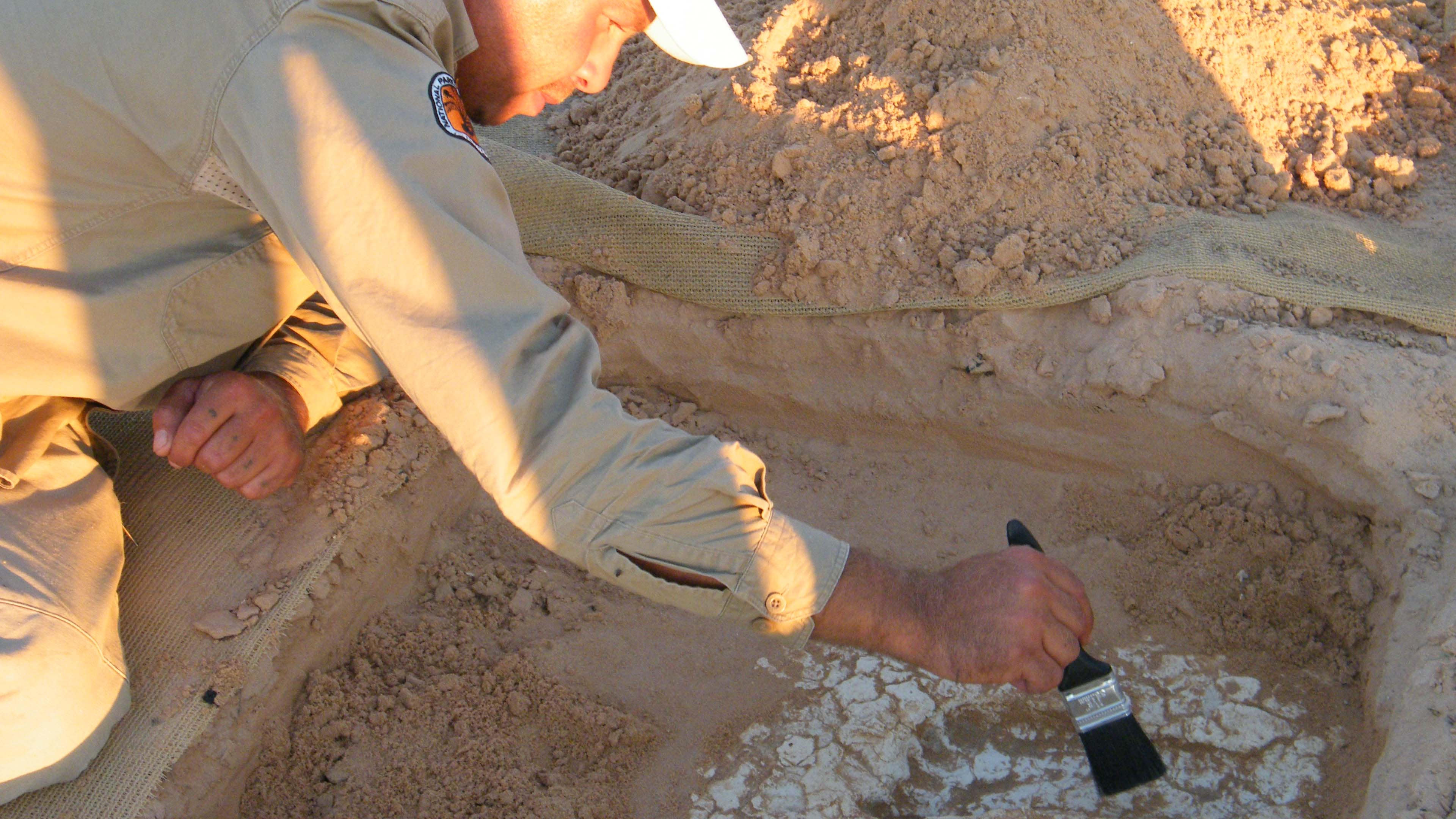
Excavated footprint for monitoring. (Image from NPWS)
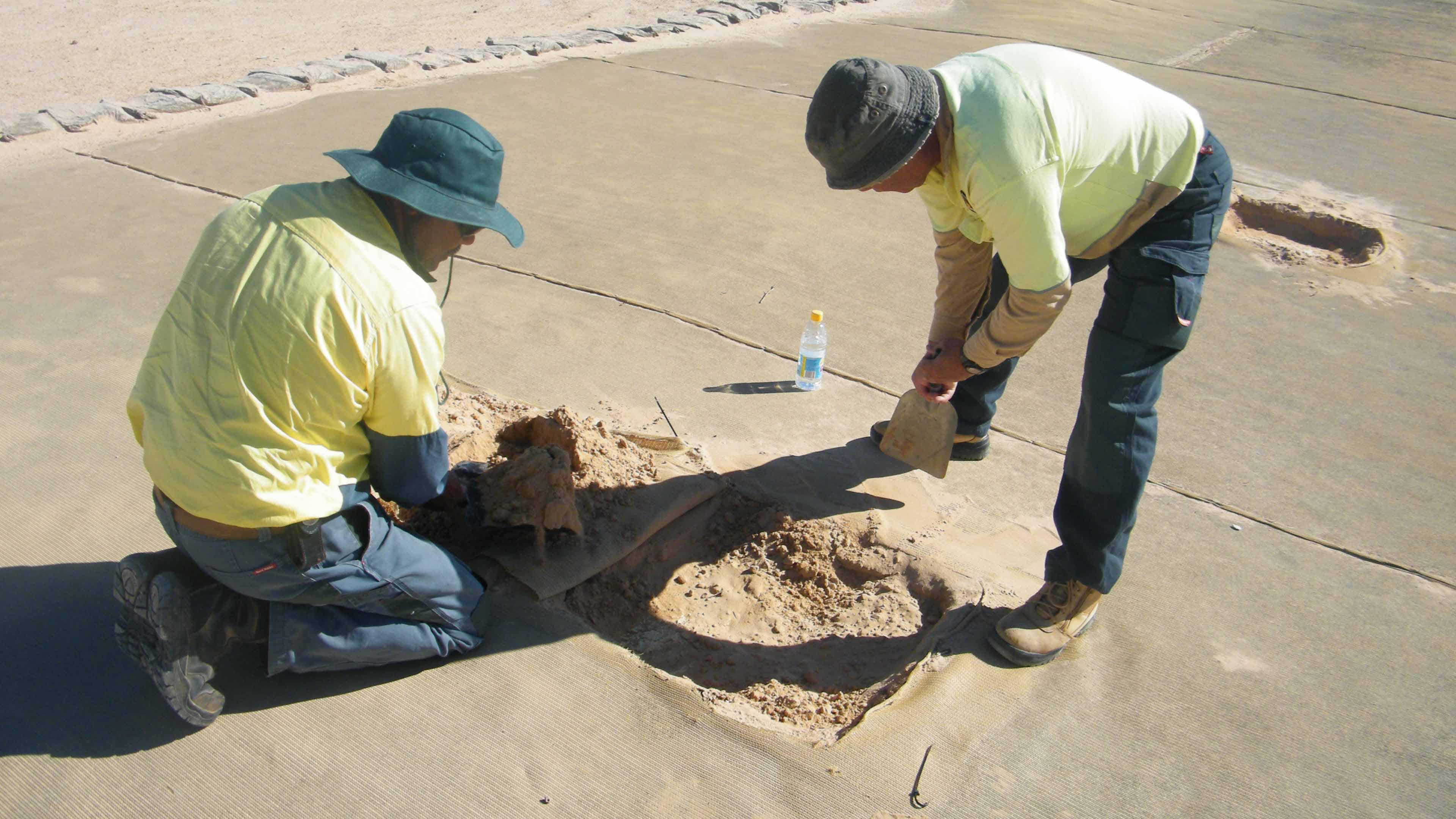
National Parks Aboriginal staff members carrying out conservation on shade cloth after
monitoring of site. (Image from NPWS)
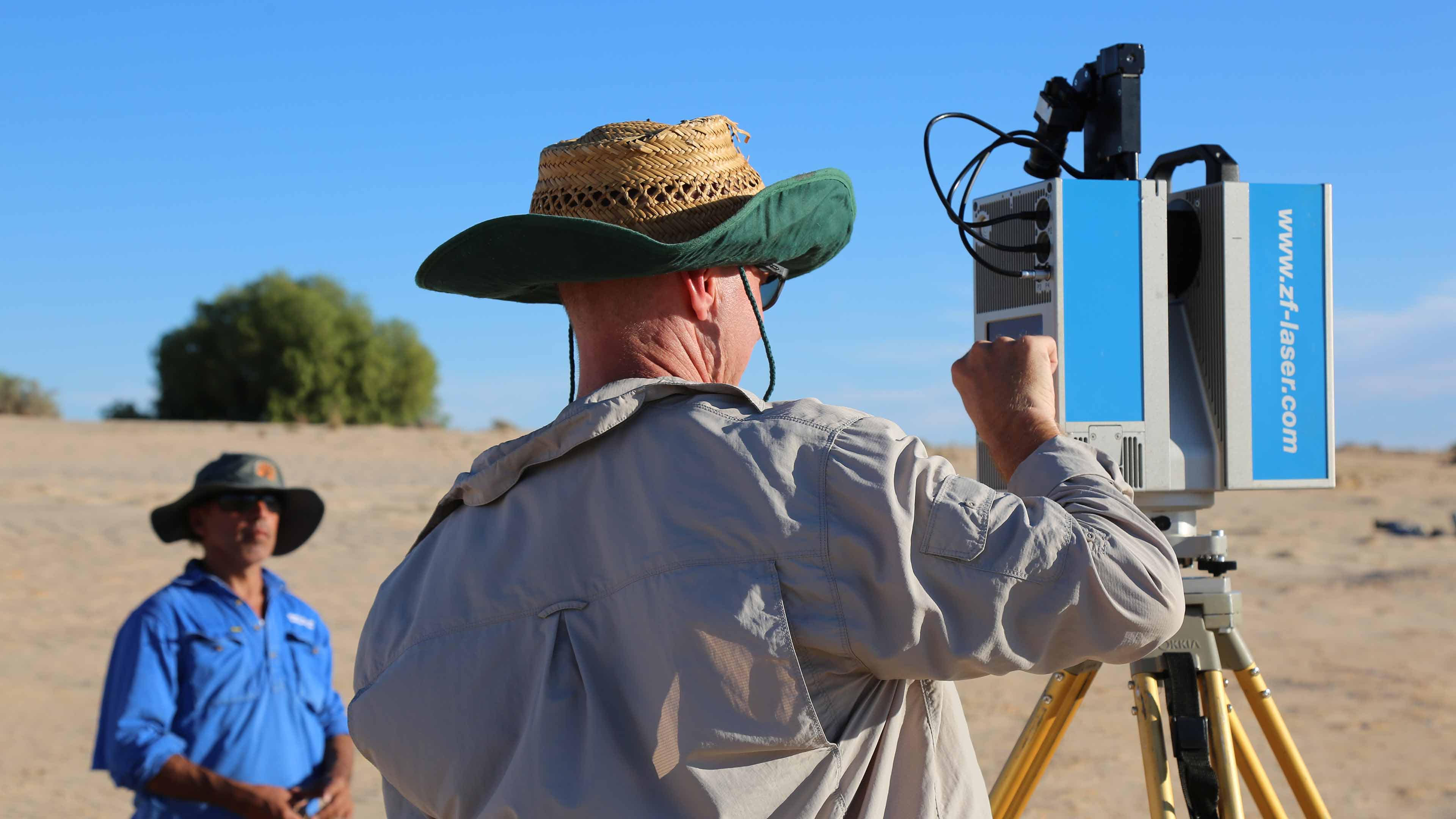
World Heritage Indigenous Ranger Program conservation officer working with Universities to
document the site using LiDAR imagery. (Image from NPWS)