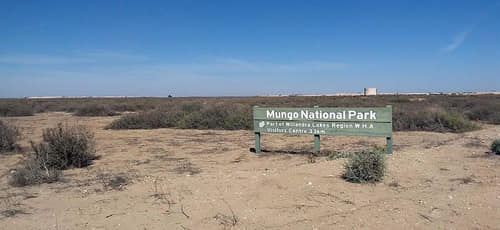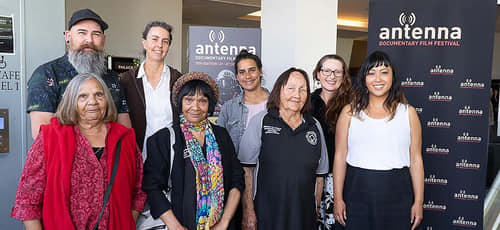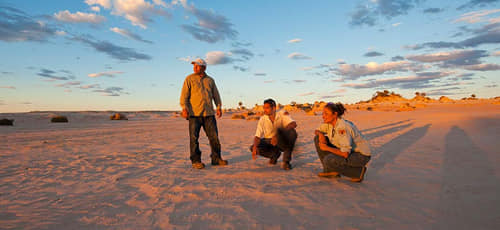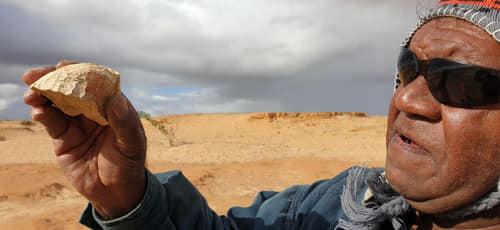
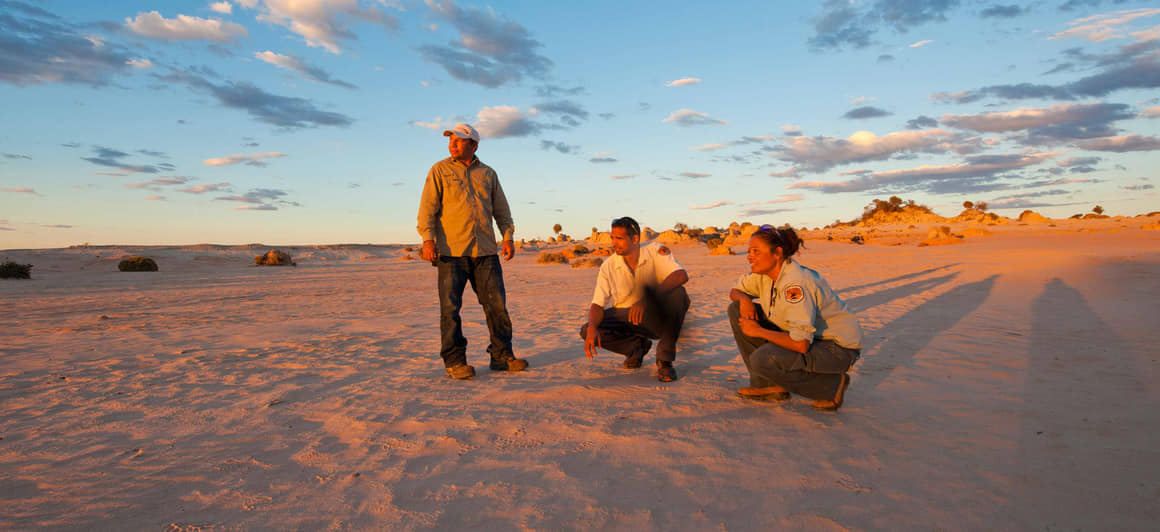
The Willandra Lakes is internationally renowned for its rich cultural record that spans at least 60,000 years. It holds the earliest evidence of ritualised cremation and burial ornamentation in the world. The landscape is a layering of all types of robust material culture, intermingled with the changing lake sediments that represent the changing environmental and climatic conditions over millennia. NSW NPWS staff work to record, conserve and protect this rich cultural record. These images provide a window into the types of sites that are typical within the Willandra Lakes Region.
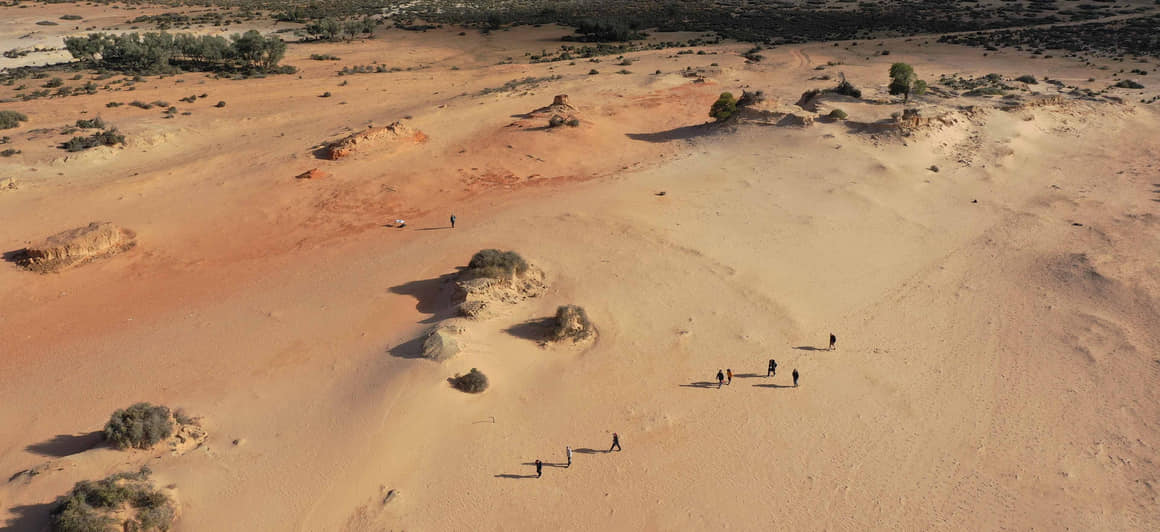
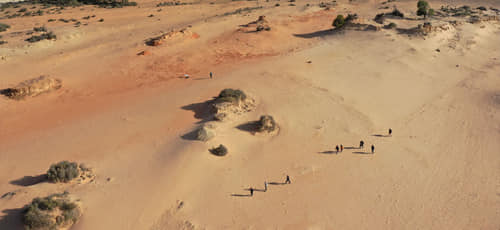
The wind and water etched landscape of the Willandra is spectacular from above. As drones are not permitted within Mungo National Park here is some imagery to enable appreciation.
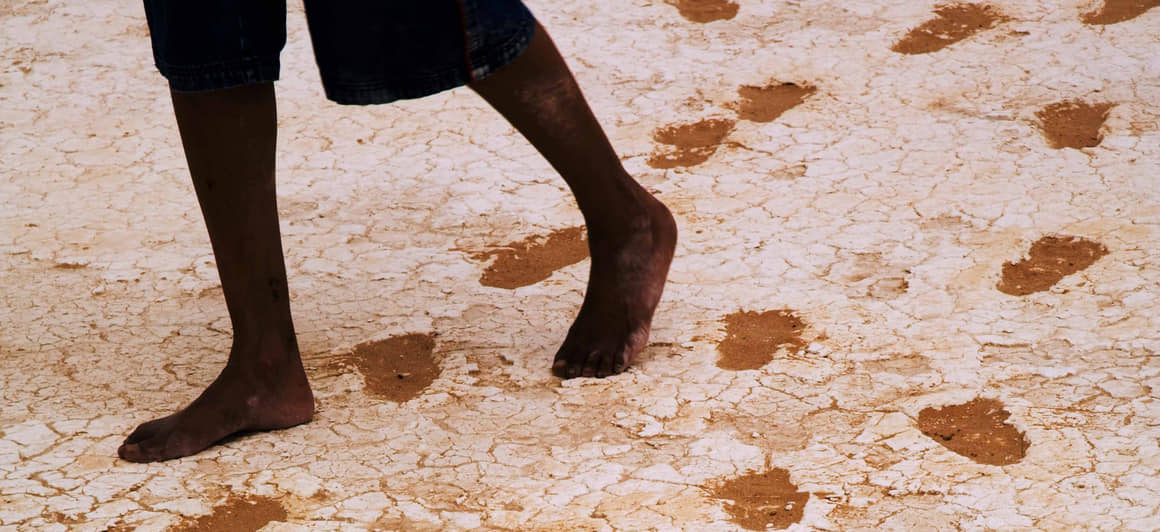
20,000 years ago, 27 people traversed a wet clay-pan leaving behind footprints that depicts a family group walking with children and a group of hunters following a kangaroo. There is a replica of the site at this visitor centre and these images provide further context to scale and brilliance of the actual site. Efforts have been made to record the original site using new scanning technologies and an augmented reality experience is currently being developed for release in 2023.
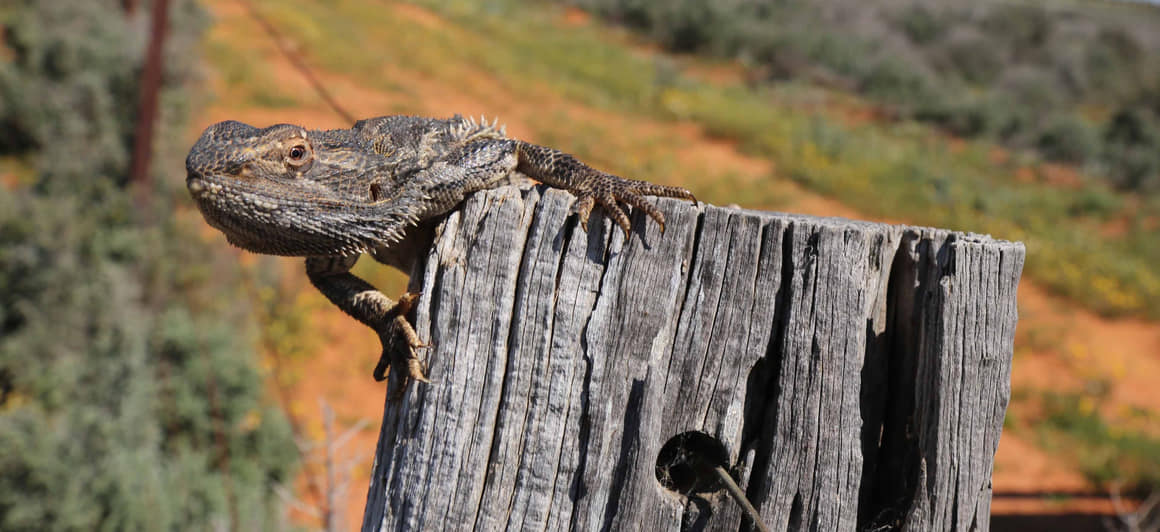
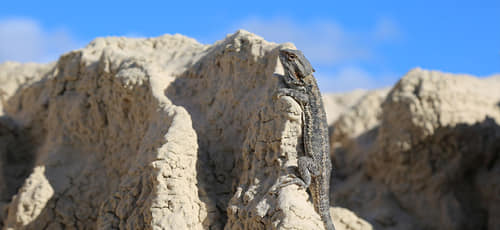
Mungo NP has a typical semi-arid biodiversity. The images here depict some of the common species, as well as ecologists conducting routine monitoring for biodiversity.
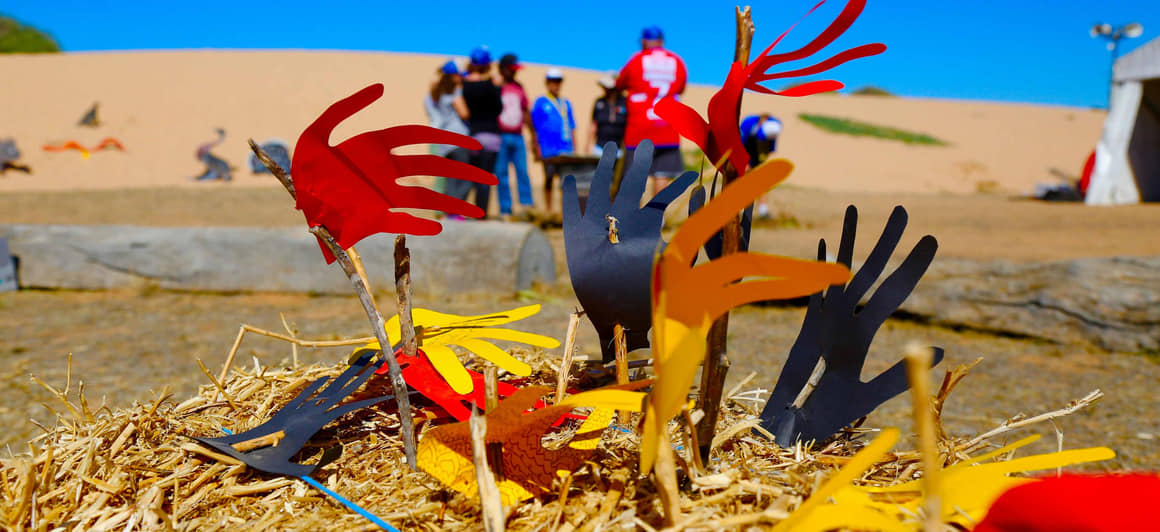
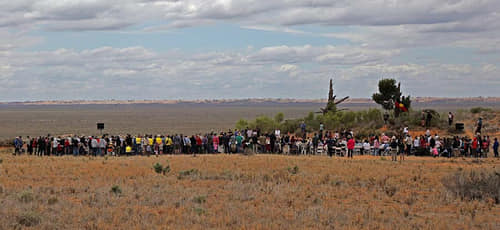
Periodically when the stars align, 200 school aged students descend the World Heritage property at Top Hut Station to walk and learn on Country from First Nations and scientist about the cultural significance and scientific advancements made at Mungo. The 3 day camp engages the students and teachers in the true deep history of Australia.
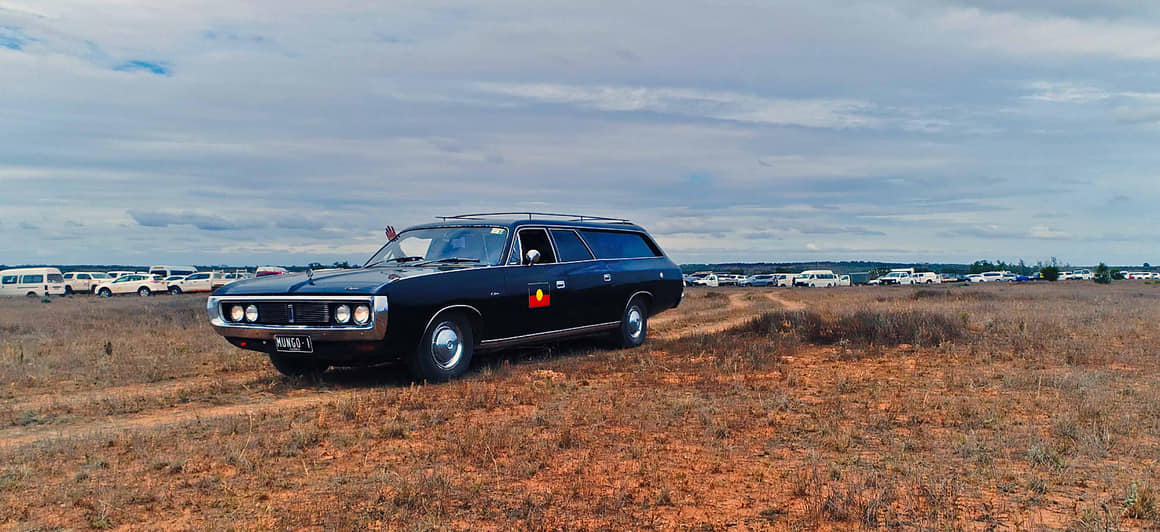
The Willandra Lakes Region is universally known for the Ancestral remains for Mungo Woman and Mungo Man, who together shifted the Australian narrative of the deep history of First Nations Occupation of Australia. At the time they were first revealed, the academic consensus was that First Nations had settled Australia some time in the past 10,000-15,000 years. Mungo Woman smashed the ceiling with a radiocarbon determination of 29,000 years. With advancements in age determination methods, both Mungo Woman and Mungo Man have been redated to 42,000 years old. Both Mungo Woman and Mungo Man have been fully repatriated and these images show the return to Country of Mungo Woman in 1992 and Mungo Man and 106 of his kin in November 2017.